
"Repetition does not transform a lie into a truth"
Franklin D. Roosevelt
The proliferation of conspiratorial narratives about Charlie Kirk’s murder say little about Kirk himself. They say much more about our information overload, our need to know things first even if they’re wrong, our need to have something to say even when there is nothing to say, and our need to make sense out of something that seems to make no sense. In that respect, this is no different from conspiracy theories about JFK, 9/11, or COVID. Something happened that wasn’t supposed to happen.
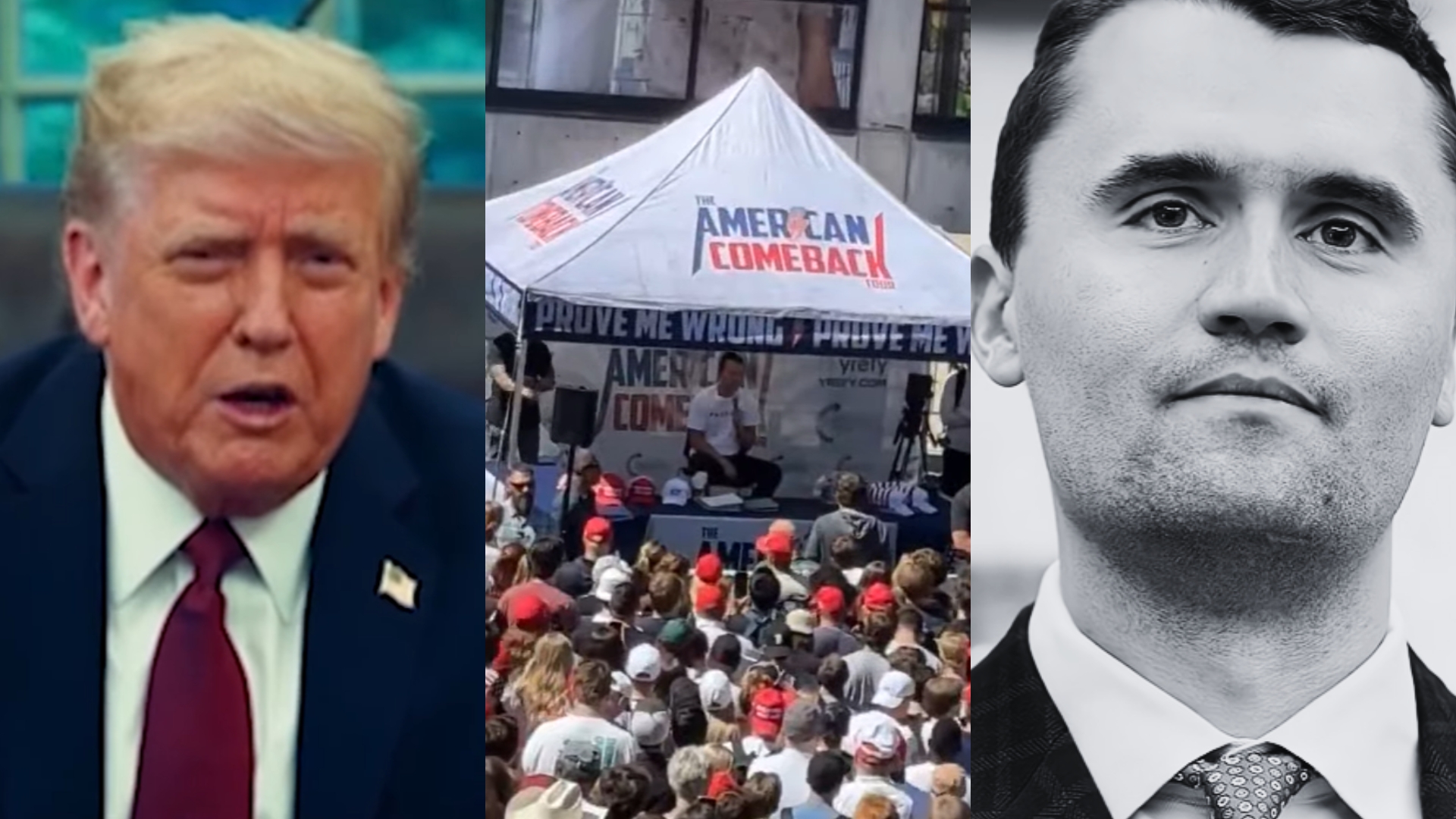
The shooting death of conservative media figure Charlie Kirk in Utah on September 10th sparked the usual deluge of conspiracy theories about who “really” did it and why. Within minutes, and with absolutely no supporting evidence, social media was flooded with claims that Kirk had been shot dead by a leftist transgender rights advocate, had been killed under the orders of President Trump as a distraction from unflattering headlines about Jeffrey Epstein, assassinated by foreign intelligence, taken out by a professional assassin hired to kick off a new civil war in America, or because he was about to turn on Trump.
Conspiracy theories flourish when rumor and confirmation bias fill the holes left by an information vacuum. In Kirk’s case, there was no news forthcoming about who the shooter was or what their motive had been. In fact, the FBI had twice posted that they had a suspect in custody, only to retract the claim. Social media is driven by breaking news and hot takes – but because there was no actual news, there were only takes. And most of these were driven by politicized conspiracy theories pitting the left and right against each other in an eternal civil war.
Kirk’s death has a few extra layers of complication that make conspiracism a natural reaction to the lack of information. For one, he himself was known for his rampant misogynistic and racist remarks questioning the intelligence of black people, and was a prolific conspiracy theorist. He routinely spread discredited and false claims that China had engineered the COVID-19 virus, that crank treatments for the virus were more effective than the vaccine, that the 2020 election was stolen from Donald Trump, claimed whites were being removed from society by the Great Replacement, and spread multiple false claims about Ukraine, including that Volodymyr Zelenskyy was a dictator who refused to allow free elections.
None of the conspiracy theories Kirk trafficked in were outside the mainstream of the American right, and were believed by almost all of the same people spreading conspiracy theories about his death. Likewise, the people on the left spreading conspiracy theories about Kirk being targeted in a “false flag” by Trump were no strangers to similar theories. Many of the biggest liberal influencers spreading the conspiracy theory that Kirk had been killed as a “distraction” had spread similar claims that Trump’s own assassination attempts in 2024 were staged to help his presidential campaign.
But the far-right influencer sphere is complicated and doesn’t always break down along clean lines. Infighting and harsh arguments among high-level podcasters and pundits over doctrine and politics are common, particularly as some have broken ranks with Trump over his handling of the Epstein scandal. So among the most prevalent theories on both the left and the right was that Kirk had been shot and killed by a supporter of a different far right figure.
Kirk had been embroiled in a long-running and mostly one-sided feud with Nick Fuentes, the white nationalist podcaster known primarily for his prolific antisemitism and Holocaust denial. To Fuentes’s fans, who call themselves “groypers,” Kirk’s support of Israel and of legal immigration made him an anti-white sellout in the pocket of Jewish interests. In particular, the two clashed over who supported Trump more, with Fuentes accusing Kirk of turning his back on Trump, while Kirk mostly ignored Fuentes.
This so-called “groyper war” brought Fuentes a great deal of mainstream attention, and his fans took the feud personally, with some even showing up at Kirk’s many college campus debate events. Fuentes took credit for Kirk shifting to the right on immigration as Trump ramped up ICE enforcement around the country, as Kirk began calling for a moratorium on all immigration into the US, echoing a long-time Fuentes talking point.
But such dramatic shifts in stance are common among right-wing figures, particularly in the Trump era. Long-held political ideologies are easily discarded as Trump remakes the Republican party and western conservatism along his own constantly shifting and inconsistent tenets. Through it all is the steadfast belief that whatever Trump does is right, even if it contradicts itself along the way.
This often takes the form of criticizing Trump, while eventually coming around to him as having been right. There might be no issue where conservative influencers have contradicted themselves to stay in the president’s favor than on Jeffrey Epstein. Pundits who extoled Trump’s Department of Justice for releasing what they deemed “Phase One” of the long-hidden Epstein files in May initially grumbled about Trump turning around and claiming the Epstein files were a Democratic hoax and shouldn’t be discussed anymore. But after this initial criticism, most came around to the president’s stance – despite totally contradicting both themselves and his own campaign promises.
But while Kirk and Fuentes might have found common ground on shutting down immigration, they were very much at odds on Epstein. And here’s where the heart of the conspiracy theory about Kirk’s death comes from. In July, Kirk joined a number of other prominent conservative media figures in criticizing Trump for his apparent delays and obfuscations about Epstein, calling for all of the files to be released. But after what news sources claim was a personal phone call from Trump, Kirk backed off the issue and claimed he was “done talking about it.”
Fuentes, however, turned on Trump whole-heartedly and called the president a “scam artist” about whom “the liberals were right.” Online speculation immediately pointed toward a break between Kirk and Fuentes over Trump’s handling of Epstein as a possible cause of Kirk’s murder, and with nothing else to go on, the theory that Kirk was a casualty in the “groyper war” began spreading.
It's important to remember that all of the people involved here, including Kirk, were and are prone to switching their stances at the drop of a hat, and for manufacturing outrage out of nothing. Little they say should be taken at face value, particularly with a figure as divisive as Fuentes. And Kirk hadn’t said anything of note about Epstein in the past weeks or months that any other right-wing influencer hadn’t also said.
But Kirk’s murder has now gone more than a day without a suspect in custody or even being named. Such environments are ripe for conspiracy theories to take hold, and with nothing replacing them, they spread quickly and without any real investigation. The idea that Kirk was killed by a deranged Nick Fuentes fan might be outlandish, but it’s no more outlandish than any of the other theories floating around about what happened. Any of them might be true, because nobody knows what’s true.
Ultimately, the conspiracy theories about Charlie Kirk’s murder say little about Kirk himself. He could have been killed because of something he said, or not, and nobody will know until a suspect is named. They say much more about our information overload, our need to know things first even if they’re wrong, our need to have something to say even when there is nothing to say, and our need to make sense out of something that seems to make no sense.
In that respect, this is no different from conspiracy theories about JFK, 9/11, or COVID. Something happened that wasn’t supposed to happen. It makes no sense and has no immediate culprit – and when there is one, it likely won’t satisfy many people. With nothing else to go on, we go with what we want to be true. This is why conspiracism flourishes: not because people believe it, but because people need to believe something, and sometimes, any story will do.
For sixteen years, Conspiracy Watch has been diligently spreading awareness about the perils of conspiracy theories through real-time monitoring and insightful analyses. To keep our mission alive, we rely on the critical support of our readers.